
conference · Published 2 September 2026 · Updated 11 October 2026 · 7 min read · Darius Setsoafia
How to Define Event Goals and Measure Success
A practical framework for choosing event goals, setting useful targets and measuring whether a conference delivered value beyond attendance numbers.

The purpose of an event should be stated as an outcome, not just an activity. “Run a conference” is an activity. “Help 100 regional business leaders make useful connections and leave with one practical action” is an outcome that can shape the programme and be measured afterwards. Choose one primary goal, two or three supporting objectives, and a small set of metrics that show whether they were achieved.
This matters because every event decision competes for limited time and budget. The venue, speakers, ticket price, networking format, AV plan and marketing all need to support the reason the event exists. If the purpose is vague, the event can look busy while still failing the people who organised it.
What is the difference between an event goal and an objective?
An event goal describes the broader change you want the event to create. An objective turns that ambition into a specific target that the team can plan towards and evaluate.
For example:
| Event goal | Supporting objective | Possible measure |
|---|---|---|
| Build relationships with prospective customers | Create 20 qualified follow-up conversations within 14 days | Meetings booked or opportunities created |
| Educate members on a changing topic | At least 80% of respondents say they learned something they can apply | Post-event survey responses |
| Strengthen a local business community | At least 60% of attendees make one relevant new connection | Networking survey or structured introductions |
| Raise funds for a cause | Reach the agreed net income target | Income minus event costs |
The goal gives the event direction. The objective tells you what evidence will count. Eventbrite’s SMART-goal guidance is useful here: a good objective should be specific, measurable, achievable, relevant and time-bound.
How do you choose the primary purpose of an event?
Start by asking what would make the event worth doing even if only one thing went well. The answer is usually one of five outcomes:
- revenue or fundraising
- learning and behaviour change
- qualified business conversations
- community, member or stakeholder relationships
- awareness, reputation or launch momentum
An event can support several outcomes, but it still needs a clear priority. A conference that tries to maximise attendance, generate leads, train staff, satisfy sponsors, launch a product and produce a large amount of content may end up with a diluted programme and no clear measure of success.
Use this sentence to make the choice concrete:
This event exists to help [audience] achieve [outcome] by [experience or action], measured by [evidence].
For a Newcastle business conference, that could become: “This event exists to help North East business leaders exchange practical growth ideas and create useful peer connections, measured by qualified introductions, session feedback and follow-up activity.”
That sentence can then guide the running order. If connection is the main purpose, protect time for structured introductions. If education is the priority, give speakers enough time to explain and demonstrate rather than filling the agenda with short appearances.
Which event metrics should you track?
Use a balanced scorecard. Attendance matters, but it is only one part of the picture. A full room can still contain the wrong audience, deliver weak content or produce no meaningful outcome.
1. Reach and demand
These measures show whether the event is attracting attention from the right people:
- event-page visits
- registration conversion rate
- registrations by source
- audience fit by role, sector or location
- ticket revenue or applications
- waitlist demand
Use these metrics before the event to make decisions. If registrations are coming from outside the intended audience, change the message or targeting before increasing the budget.
2. Attendance and participation
These measures show what happened after people registered:
- show-up rate
- check-in time and queue length
- attendance by session or track
- questions asked
- poll, workshop or networking participation
- repeat visits to an event app or content hub
A registration is a promise of interest, not proof of value. Compare registrations with actual attendance and active participation so you know where the experience is losing momentum.
3. Experience and learning
Ask attendees whether the event delivered what it promised. Useful questions include:
- Did the event meet the goal you had when you registered?
- Which session or moment was most useful?
- What will you do differently as a result of attending?
- How easy was it to find your way around and get help?
- Would you recommend the event to someone like you?
Keep the survey short enough that people will complete it. Cvent’s event-survey guidance recommends using pre-event, during-event and post-event questions for different decisions rather than forcing every question into one form.
4. Commercial and stakeholder outcomes
Choose measures that match who funded or approved the event:
- net revenue or funds raised
- qualified leads and meetings
- sponsor deliverables completed
- sponsor satisfaction and renewal conversations
- member retention or new memberships
- press coverage or brand mentions
- agreed internal actions after the event
Do not claim that an event generated revenue simply because someone attended. Set a follow-up window and define what counts as influenced activity. PCMA’s event ROI guidance is a useful reminder that ROI starts with defining the business goal and the audience, then choosing evidence that connects the event to that goal.
How should you measure success before, during and after the event?
Build the measurement plan at the same time as the event plan.
Before the event
Record the baseline and target:
- previous attendance or comparable event performance
- intended audience profile
- registration target and deadline milestones
- budget and break-even point
- sponsor or fundraising commitments
- the question you need the event to answer
If this is a first event, label assumptions clearly. Do not turn guesses into benchmarks just because they appear in a spreadsheet.
During the event
Give one person responsibility for collecting live signals. Track attendance, session movement, questions, technical issues, sponsor activity and feedback themes. Short conversations with delegates can explain a number that a dashboard cannot.
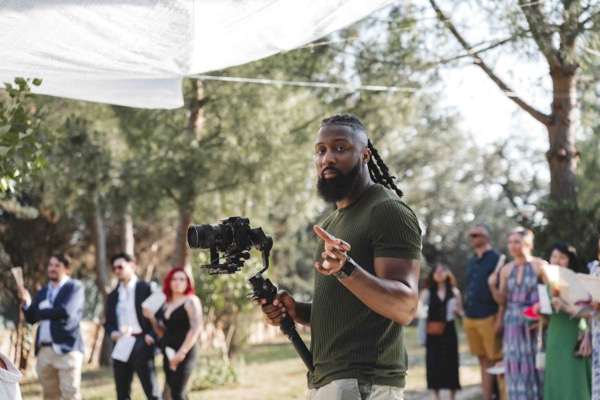
If the event is being filmed, plan content around the same objectives. A highlight film should show the audience, energy and outcomes that matter to the event—not just attractive shots of the stage. See the DS Media conference video production service for how the running order, priority moments and deliverables can shape coverage.
After the event
Send the survey while the experience is still fresh, then combine it with registration, attendance, financial and follow-up data. Compare actual results with the targets in the original brief.
Create a short report with:
- what the event set out to achieve
- what happened against each objective
- what attendees, speakers and sponsors said
- what worked operationally
- what should change next time
- which actions have an owner and deadline
Eventbrite’s event-report guidance also recommends using feedback, stories and photos or video to communicate the event’s impact to stakeholders. Evidence does not need to be complicated, but it should be connected to the original purpose.
What are the common mistakes when measuring an event?
Measuring everything
More data does not automatically create better decisions. Choose a small number of measures that someone will actually review and act on.
Using attendance as the only definition of success
Attendance is useful for capacity, marketing and revenue planning. It cannot tell you whether people learned, connected, donated, bought or changed their behaviour.
Choosing metrics after the event
If you decide what success means after the room has emptied, you will probably choose the numbers that make the event look best. Agree the scorecard before spending the budget.
Ignoring the follow-up window
Some event outcomes happen after the final session: a booked meeting, a grant decision, a membership renewal or a new partnership. Decide whether you will review results after 48 hours, 14 days or a longer period, depending on the goal.
A simple event success scorecard
Add this to your event brief:
| Objective | Target | Data source | Owner | Review date |
|---|---|---|---|---|
| Attract the right audience | Define the number and profile | Registration platform | Marketing lead | Weekly before event |
| Deliver a useful experience | Agree satisfaction or learning measure | Post-event survey | Event lead | 48 hours after |
| Create the intended outcome | Define meetings, funds, actions or connections | CRM, finance or survey | Stakeholder owner | Agreed follow-up date |
| Improve the next event | Record three changes with owners | Debrief | Planning team | Within 14 days |
The scorecard should be simple enough to use and specific enough to change decisions. If a metric will not affect the venue, agenda, marketing, supplier brief or follow-up, question whether it belongs on the list.
Final answer: what makes an event successful?
An event is successful when it achieves the outcome it was designed to create for the right audience, within the agreed constraints. Attendance, revenue and social reach are useful signals, but they are not the whole answer. Define the purpose first, set measurable objectives, collect evidence throughout the event cycle and turn the findings into specific improvements.
If you are preparing a conference brief and want the video plan to support the event’s real objective, contact DS Media with the running order and your priority outcome. The clearer the purpose, the more useful the finished content can be.
Plan your next step
Written by
Darius Setsoafia
Darius is the founder of DS Media — a Newcastle-based video production company specialising in corporate films, conference coverage, and event documentation across the North East and beyond. He has spent over six years working with brands, venues, and organisations to document stories worth sharing.
About Darius →