
business · Published 5 September 2024 · Updated 11 October 2026 · 5 min read · Darius Setsoafia
5 Mistakes Businesses Make With Their First Video
Common pitfalls that waste time and money on corporate video projects. How to avoid them and get a better result first time.
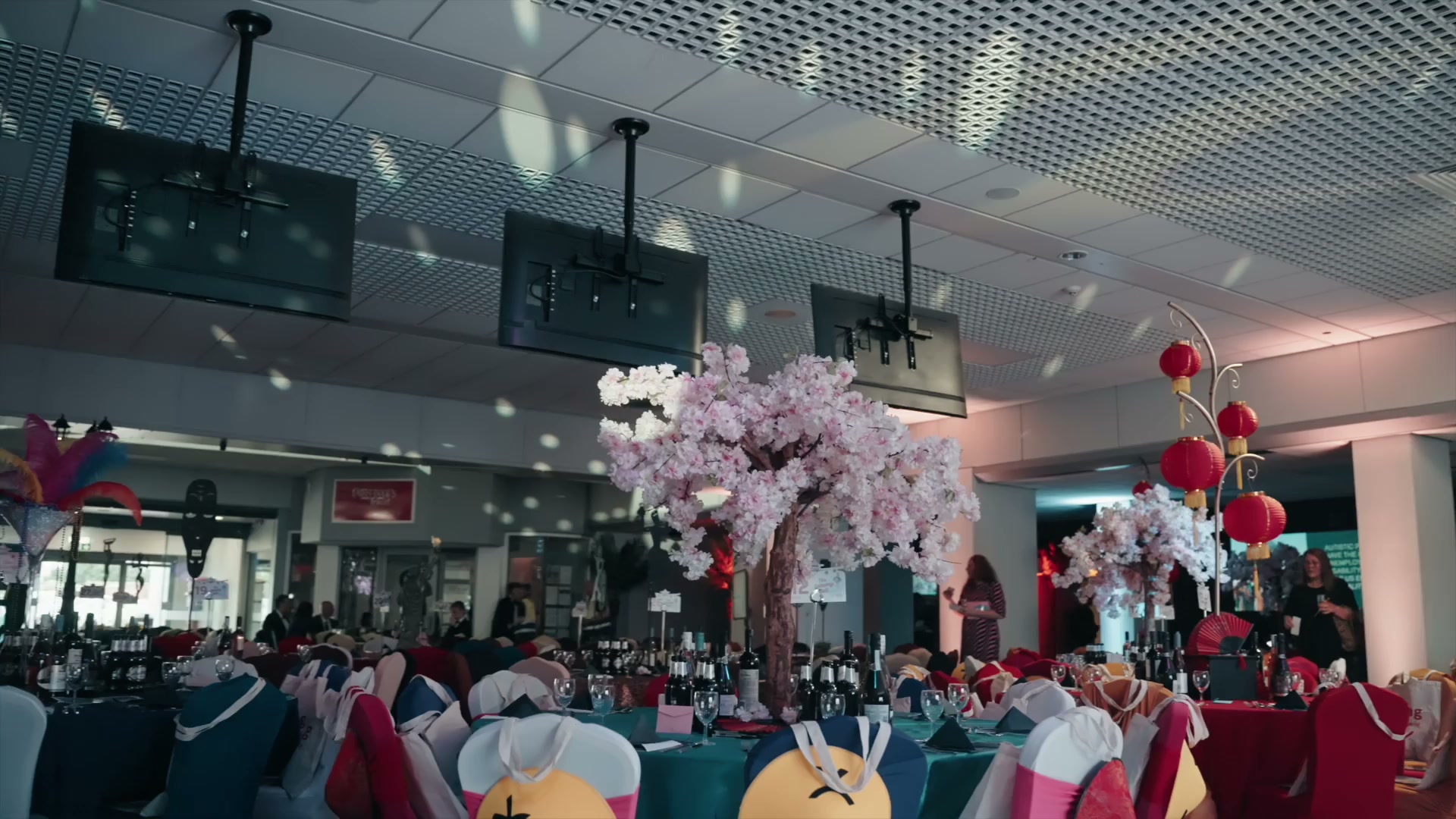
We see these mistakes all the time
After years and 200+ projects, patterns emerge. Most of the mistakes businesses make with their first video are not about the filming itself — they’re about the strategy, brief, and process around it. Here are the five most common, and the fix for each.
1. No clear goal
“We just need a video” isn’t a brief. Every video needs a specific purpose: drive website traffic, explain a product, recruit staff, build brand awareness, increase proposal close rate. Without a goal, you can’t measure success and the video ends up generic.
The symptom of a goalless brief is a video that tries to cover everything — the company history, the team, the services, the values, a client testimonial, and a call to action — all in 90 seconds. None of it lands because there’s no single thing the viewer is supposed to take away.
The fix: Start with the outcome. What should the viewer do after watching? Work backwards from that action to the message, tone, and content the video needs to contain. One goal. One message. One call to action.
2. Trying to say everything in one video
A 5-minute video covering your history, services, team, clients, and future plans says nothing memorable. Nobody watches a 5-minute corporate video voluntarily.
This mistake usually comes from a brief that’s been written by committee. Everyone in the business adds their priority until the video has 12 objectives and a running time that would challenge a documentary filmmaker.
The fix: One video, one message. If you have five things to say, plan five short videos. They’ll perform better individually, give you more content to distribute across more channels and more occasions, and keep viewers engaged because each is tight and purposeful.
The sweet spot for most corporate video is 60–120 seconds. That’s enough time to build a connection and deliver a message. It’s not enough time to bore someone. If you have a 4-minute story to tell, tell it in two videos.
3. Scripting every word
Natural delivery beats scripted delivery every time. When non-actors read from a script, they sound like non-actors reading from a script. The audience can tell — even if they can’t articulate exactly why, something feels off and trust erodes.
The problem with scripting isn’t just performance. It’s that scripted answers are usually written by someone who isn’t the person saying them. The language is slightly wrong for that individual. The cadence doesn’t match how they actually speak. On camera, this shows.
The fix: Use bullet points and talking points instead. Have a conversation with the camera, not a monologue. Brief your on-camera subjects on the topic, give them the key points to hit, and then let them talk. Your production company should be comfortable coaching this on shoot day — drawing out natural responses, asking follow-up questions to get the authentic answer, and doing as many takes as needed to get something that feels real.
See our preparation guide for more on how to brief on-camera talent effectively.
4. Underestimating audio
You can get away with average footage. You cannot get away with bad audio. A viewer will tolerate slightly soft focus but will click away from muffled or echo-filled sound in seconds.
Audio problems are also largely irreversible in post-production. You can colour-grade flat footage. You can stabilise shaky footage. But if someone was filmed in a room with air conditioning roar, or spoke too quietly into a lapel mic, or the room has an echo that muddies every word — the options are limited. AI audio cleanup tools have improved significantly, but they’re not magic.
Bad audio typically comes from: unsuitable locations (hard surfaces, external noise, HVAC), wrong mic placement, using camera-mounted microphones instead of directional or lapel mics, and not checking levels before rolling.
The fix: Hire a production company that takes audio seriously. We use professional wireless lapel mics and directional shotgun microphones on every shoot. We scout locations for acoustic problems before the shoot day, not during it. When we send a pre-production checklist to clients, noise sources are always on it.
If you’re evaluating companies and one of them talks about their camera extensively and never mentions audio, that’s telling you something.
5. No distribution plan
The video is finished. It goes on the homepage. Then… nothing. No social media clips, no email campaign, no paid promotion. It sits there getting 20 views a month.
This is the most expensive mistake on the list because it means the entire investment — production cost plus everyone’s time — is generating essentially no return. The video exists. Nobody sees it.
The fix: Plan your distribution before you start filming. The questions to answer before you begin:
- Where will the full video live? (Website page, YouTube, LinkedIn, all three?)
- What social cuts do you need? (60-second for LinkedIn, 30-second for Instagram, 15-second for ads?)
- Will it go in email campaigns? What’s the sequence and when?
- Is there a paid promotion budget? Agree a test budget and audience before spending, then assess the enquiries and outcomes it produces.
- Who needs to know this video exists so they can use it? (Sales team, recruiters, account managers?)
We can deliver social-optimised cuts (vertical, square, captioned) alongside the main video so you’re ready to publish immediately. But we need to know this before the shoot so we frame and shoot accordingly.
Bonus mistake: waiting until you’re “ready”
Many businesses spend months planning their first video and never make it. They want the website to be finished first, or the rebrand, or the new product launch, or the team to look right. By the time all those conditions are met, it’s been a year.
A good video doesn’t require a perfect business. It requires a clear message and a production team who knows what they’re doing. Start with what you have now. The return on an imperfect video that exists is infinitely higher than the return on a perfect video you haven’t made yet.
One more: choosing on price alone
This isn’t unique to corporate video — it applies to any purchase where quality matters — but it’s worth stating directly.
The lowest quote often isn’t the cheapest outcome. If a £400 video requires a reshoot because the audio is unusable, you’re now at £800 and you’ve lost four weeks. If a £600 video generates no return because it looks consumer-grade and undermines rather than builds trust, the cost of the video is the least of your problems.
Price matters. But it’s the fifth factor, not the first. See our guide to choosing a corporate video company in Newcastle for a fuller framework.
Get it right first time
We handle pre-production through to delivery, including social media cuts. We’ll ask you the right questions before a camera is lifted. Start a project with us or see our corporate video work.
Related guides
- How much does corporate video cost in Newcastle? — full pricing breakdown
- Is corporate video worth the investment? — a practical framework for measuring corporate video ROI
- How to prepare for a corporate video shoot — pre-production checklist for your team
Plan your next step
Written by
Darius Setsoafia
Darius is the founder of DS Media — a Newcastle-based video production company specialising in corporate films, conference coverage, and event documentation across the North East and beyond. He has spent over six years working with brands, venues, and organisations to document stories worth sharing.
About Darius →