tips · 23 September 2026 · 5 min read · Darius Setsoafia
The Video Production Process Explained: From Brief to Delivery
A clear guide to the video production process, from first brief and pre-production through filming, editing, revisions and final delivery.
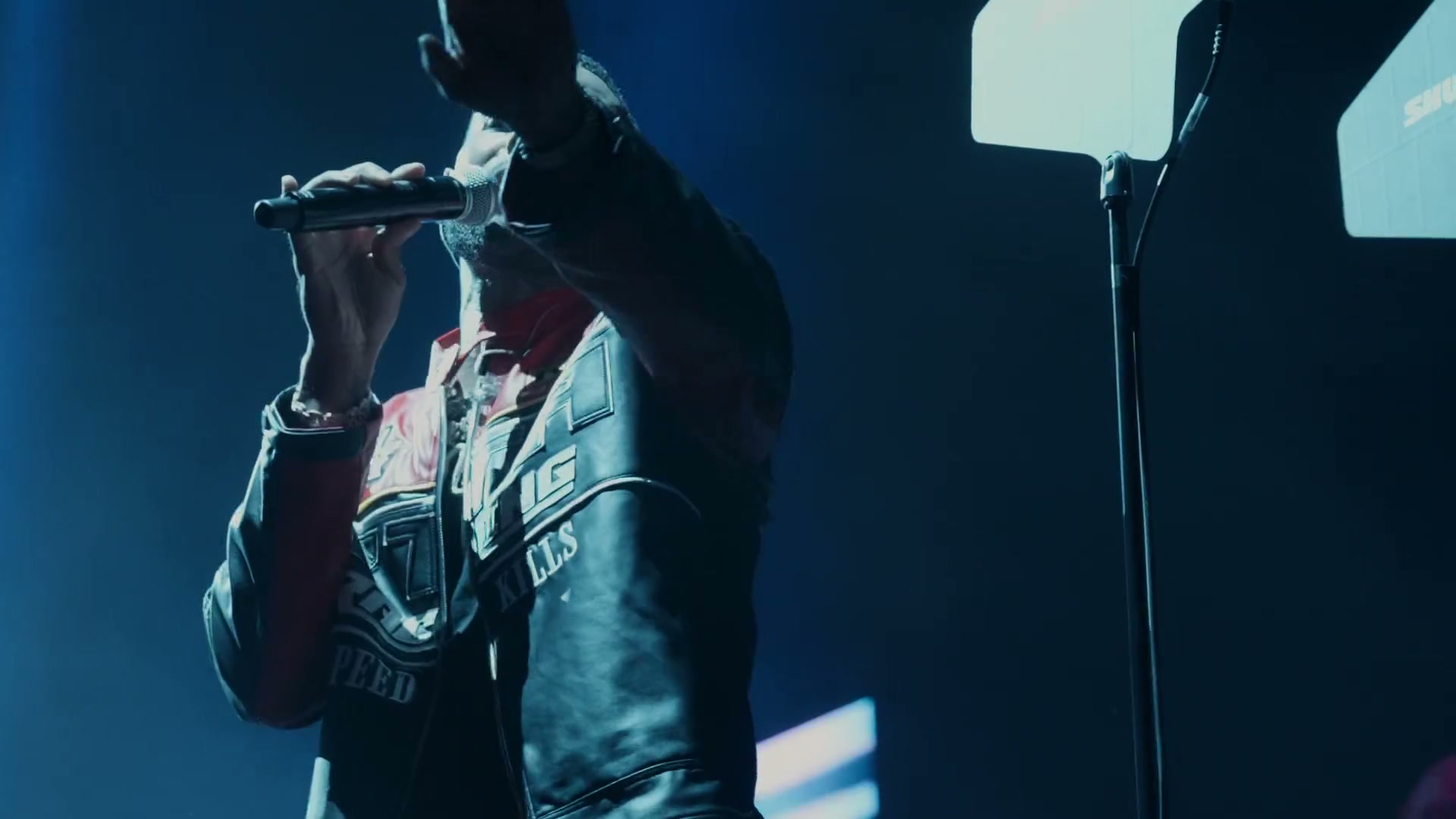
The video production process is simple when it is explained properly: define the goal, plan the shoot, film with the edit in mind, shape the story in post-production, then deliver the right formats for the places the video will be used.
Most problems happen when one of those steps is skipped. A rushed brief leads to vague footage. Poor planning makes the shoot slower. Weak audio limits the edit. No distribution plan means the final video looks good but does not fit the website, LinkedIn post, internal platform or event screen it was meant for.
This guide explains how DS Media approaches projects across corporate video production, conference coverage and event filming.
What happens in the first brief?
The first brief is not just a request for a quote. It is where the purpose of the video becomes clear.
Useful briefing questions include:
- Who is the audience?
- What should they understand, feel or do after watching?
- Where will the video be published?
- What problem is the video solving?
- Who needs to appear on camera?
- What deadline matters?
- What does success look like?
A good brief does not need to be long. It needs to be specific. “We need a brand film” is a starting point. “We need a two-minute homepage film that helps procurement teams trust our process before a sales call” is a production brief.
What is pre-production?
Pre-production is everything that happens before filming. It is the planning stage that saves time and protects the budget.
For a corporate film, pre-production might include interview prompts, contributor briefing, location planning, shot lists and schedule. For a conference, it might include agenda mapping, audio planning and camera positions. For an event, it might mean identifying the moments that cannot be missed.
This is also where the final deliverables should be confirmed. If you need vertical social clips, say so before filming. If the video needs captions, a thumbnail, a 15-second ad version or an internal edit with different messaging, that affects how the shoot is planned.
How do you prepare people for camera?
Most people are not professional presenters, and they do not need to be. The best interview-led films usually come from real people answering clear prompts in their own words.
Preparation should make contributors calmer, not more robotic. Share the themes in advance, but avoid forcing people to memorise full scripts unless there is a legal or compliance reason. Natural answers are easier to edit and usually feel more credible.
For practical prep, read the DS Media guide on how to prepare for a corporate video shoot.
What happens on the filming day?
A filming day starts with setup: camera, lighting, audio, background, framing and test recordings. Audio is checked before anything important is captured. If interviews are involved, the first few minutes are often about helping the contributor settle.
The shoot then works through the planned scenes, interviews and b-roll. B-roll is the supporting footage that gives the edit life: hands at work, team interaction, venue detail, product use, audience reaction, signage, travel, setup and atmosphere.
The best shoots stay structured but flexible. If a better moment appears, the plan can adapt. If a room is noisier than expected, the setup changes. If a contributor gives a brilliant answer, the follow-up question matters.
What does post-production include?
Post-production is where the footage becomes a film. The first stage is reviewing and organising the footage. Strong answers are selected, the story is shaped, and the main edit is built.
Then come the finishing stages:
- colour grade
- audio mix
- licensed music
- titles or simple graphics
- captions if required
- export settings for each platform
- review links
Editing is not just cutting clips together. It is deciding what to leave out so the final video feels clear.
How do revision rounds work?
Most business videos should include at least one revision round. The first cut is reviewed by the client, feedback is gathered in one place, and the edit is refined.
Good feedback is specific. “Can we use a warmer shot of the office at 00:23?” is useful. “Can it feel more premium?” needs discussion. If several stakeholders are involved, collect their comments before sending them to the editor so the feedback does not contradict itself.
Revision rounds should be clear in the quote. Ask how many are included and what counts as a change of scope.
What files should you receive at the end?
The final delivery should match the platforms you planned for. A typical business project might include:
- 16:9 landscape version for website and YouTube
- 9:16 vertical version for Reels, TikTok and Shorts
- 1:1 square version for feeds
- captioned versions
- clean versions without captions
- thumbnail stills
- shorter cutdowns
You should also know how long files will be stored, whether music is licensed for your intended use, and who to contact if you need another version later.
How long does video production take?
Most straightforward corporate projects take 2-4 weeks from brief to final delivery. Event and conference highlights can be faster when the workflow is planned around quick turnaround. Larger campaigns, multi-location shoots and stakeholder-heavy approvals take longer.
The timeline depends less on the edit itself and more on decisions: how quickly the brief is approved, how available contributors are, how many stakeholders need to review, and whether final formats are agreed early.
What makes a production process feel smooth?
A smooth process has one owner, one brief, one schedule, one feedback route and one clear delivery list. It also leaves space for real moments on the filming day.
If you are choosing a supplier, ask them to explain their process before you book. You can also read the DS Media guide on how to choose a corporate video company in Newcastle.
Ready to plan a project?
Start with the outcome, then work backwards. What does the audience need to see? Where will they see it? What decision should the video help them make?
Once that is clear, production becomes much easier. DS Media can help with strategy, filming, editing and delivery across corporate, conference, event and sports projects. Start with the relevant service page or send an enquiry.
Written by
Darius Setsoafia
Darius is the founder of DS Media — a Newcastle-based video production company specialising in corporate films, conference coverage, and event documentation across the North East and beyond. He has spent over six years working with brands, venues, and organisations to document stories worth sharing.
About Darius →