
corporate · Published 23 September 2026 · Updated 11 October 2026 · 2 min read · Darius Setsoafia
How Much Does a Testimonial Video Cost?
What affects the price of customer testimonial video production, how to plan the interview, and what to include when comparing quotes.
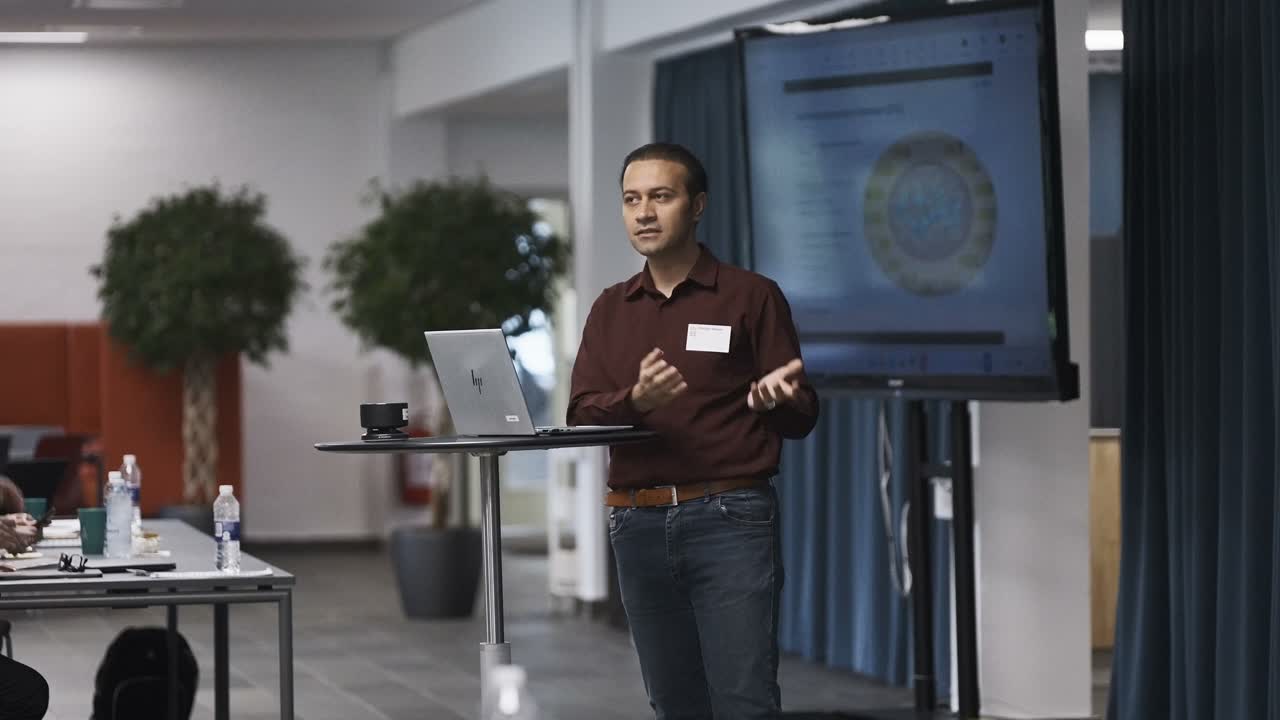
There is no single useful price for every testimonial video. A short interview filmed at one location is a different production from a customer story that needs travel, several contributors, detailed planning and multiple finished versions. Ask for a quote against a clear list of deliverables so you can compare the work, not just the headline figure.
DS Media scopes testimonial work to the brief. The published Business Content Starter costs £1,200 and includes four films, 50 edited photographs, up to four hours of filming and delivery within 14 days. It is a broader package for shops, bars, cafés and smaller businesses, not a standalone testimonial price or a corporate production quote. For other briefs, use the factors below to define what you need. Our corporate video production page outlines the services.
What changes the production cost?
Location and travel. One customer at one site takes less coordination than multiple interviewees or locations. Confirm access, parking, room availability and any restrictions before setting the shoot date.
Planning and interview work. The customer may need help preparing for the conversation. A producer can shape prompts, coordinate contributors and plan supporting footage. Good preparation can make the shoot more efficient and help the story stay specific.
Crew and filming time. A straightforward sit-down interview may need a smaller setup. If you also need workplace activity, a second camera, separate audio coverage or several interviews, the filming plan and crew requirements change.
Editing and versions. A main case-study film, several short extracts, vertical crops, captions, graphics and different calls to action are separate pieces of work. List each one in the brief and ask how many revision rounds are included.
Turnaround and approvals. Tight deadlines can require dedicated edit time and rapid feedback from the customer and your team. Agree who signs off quotes, names, claims and brand details before filming.
Plan an interview that gives a buyer context
Ask the customer to describe the situation before the work, what they needed, how they chose a provider, what the process involved and what they can say about the result. Avoid writing their praise for them. An honest answer with a concrete example is more credible than a string of broad superlatives.
Share the themes beforehand, not a rigid script. Confirm what the customer is comfortable discussing and get written permission for the intended use. If the video mentions numbers or business outcomes, confirm that the customer can substantiate them and approves how they are presented.
Compare quotes on a like-for-like basis
Ask each supplier to list:
- pre-production and interview planning;
- filming time, locations and crew;
- the main edit and each additional cutdown;
- captions, graphics, music and aspect ratios;
- revisions, delivery dates and file formats;
- licensing, usage and any travel or location costs.
The corporate video cost guide explains broader budget drivers. For a step-by-step overview, read the production process guide.
Before commissioning, decide where the customer story will appear and what the viewer should do next. That helps shape the interview, edit length and call to action. A well-scoped testimonial film gives the customer room to describe their experience and gives a prospective buyer enough context to judge whether the same service could help them.
Plan your next step
Written by
Darius Setsoafia
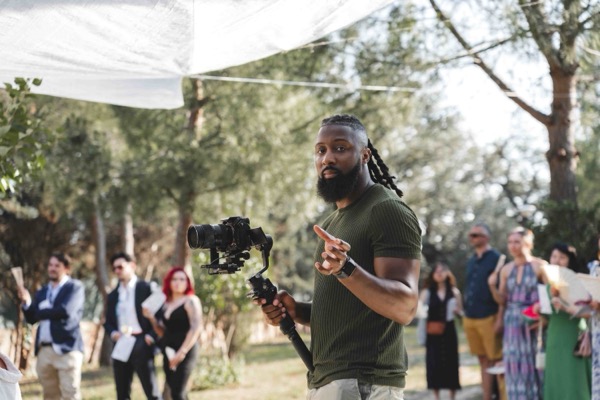
Darius is the founder of DS Media — a Newcastle-based video production company specialising in corporate films, conference coverage, and event documentation across the North East and beyond. He has spent over six years working with brands, venues, and organisations to document stories worth sharing.
About Darius →