
conference · Published 14 September 2026 · Updated 11 October 2026 · 7 min read · Darius Setsoafia
Do Conferences Need to Be Interactive?
A practical guide to turning conference presentations into useful conversations, activities and decisions that delegates remember and use.
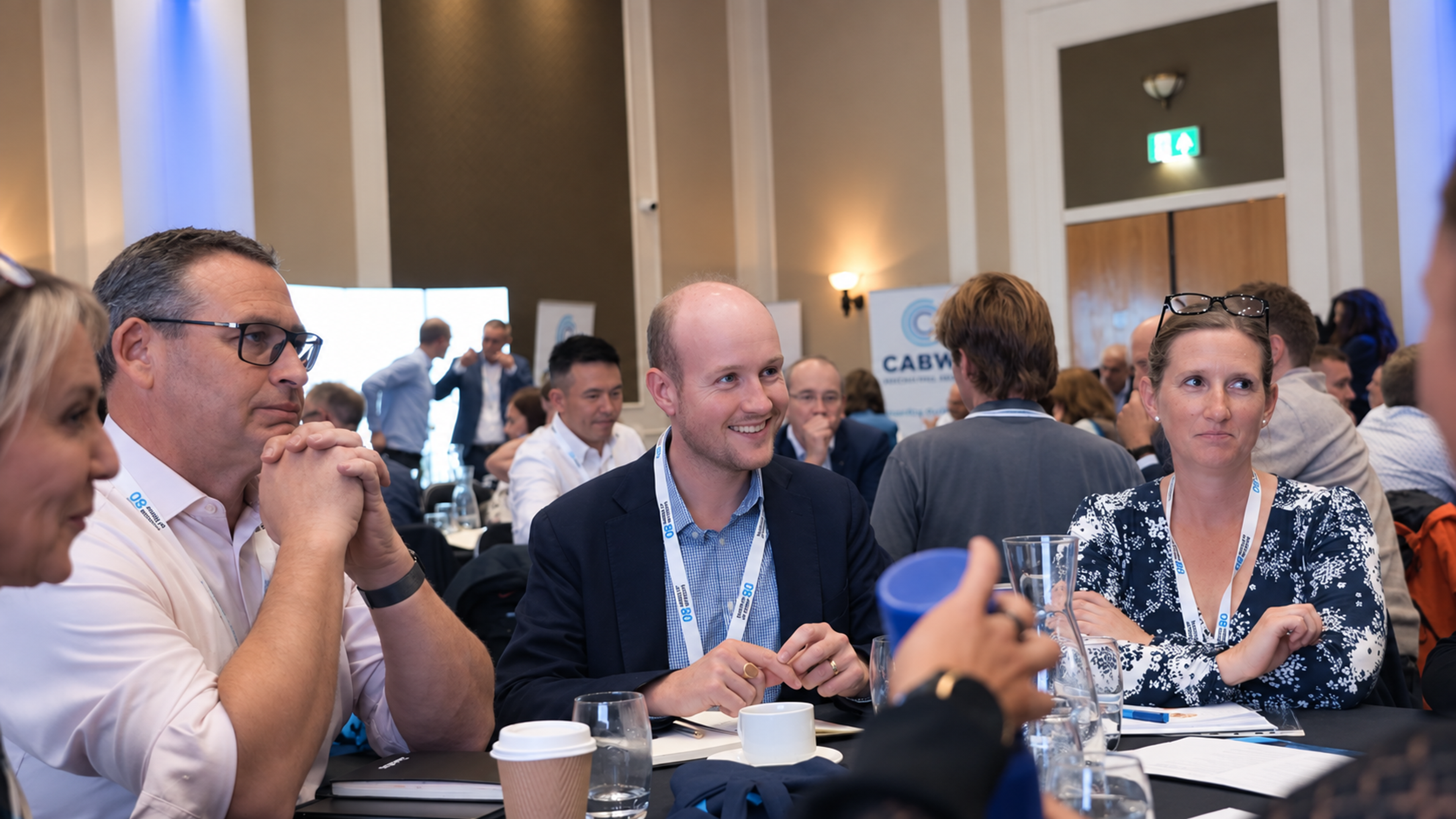
Yes. A conference does not need every minute to be loud, gamified or technologically complicated, but it should give people reasons to participate. If the day is only a series of speakers reading slides, much of the information could have been sent by email. A worthwhile conference helps delegates think, practise, question, decide and connect in the room.
That does not mean every speaker needs to become an entertainer. It means the live format should add something that a document cannot: a useful conversation, a shared exercise, a response to the room, a chance to compare experience or the confidence to put an idea into practice.
Why is a passive conference a problem?
From years of filming conferences, I have seen the same pattern repeatedly. A speaker puts a polished presentation on screen, talks through it for an hour and then leaves. Around the room, people start sending emails, reading documents or doing admin that could have waited. They are physically present but mentally somewhere else.
That is not always a failure of the audience. Sometimes the session has not given them a job to do. If delegates are only asked to sit quietly and receive information, the organiser is relying on attention alone. A conference should use the fact that people have travelled to the same place at the same time.
The purpose of an event should decide what participation looks like. If the goal is learning, delegates should use the idea. If the goal is better decisions, they should test options together. If the goal is connection, the agenda must create natural opportunities for relevant conversations rather than treating networking as an afterthought.
What should a live conference session do that an email cannot?
Before approving a presentation, complete this sentence:
After this session, delegates will have ________ that they did not have when they arrived.
The answer might be:
- a decision made with their team
- a draft plan or completed exercise
- advice from people facing the same problem
- a question answered by someone with relevant experience
- a new connection they would not have made alone
- a commitment to try something when they return to work
If the answer is only “a set of slides”, the format needs more work. Slides can support a session, but they should not be the session.
Eventbrite describes an interactive presentation as one where the audience actively participates in the content, using activities, discussion or technology to make the session more engaging. Its interactive presentation ideas are a useful prompt, but the principle is simpler: make the audience part of the process rather than an audience in name only.
How can you make a conference more interactive?
Choose the activity that fits the learning outcome. You do not need to use all of these in one session.
| Interactive format | Useful when delegates need to… | Simple example |
|---|---|---|
| Live poll | Compare views or surface uncertainty | Vote on the biggest barrier before the speaker explains it |
| Paired discussion | Test an idea with one other person | Discuss how the idea applies to their organisation |
| Table exercise | Build or prioritise something together | Create the first three steps of an action plan |
| Open Q&A | Challenge, clarify or extend the content | Collect questions throughout instead of waiting until the last two minutes |
| Peer exchange | Learn from the experience already in the room | Ask each table to share one tactic that has worked |
The best activity is usually the one that creates a useful output. “Discuss this with the person next to you” can work, but it is stronger when people know what they are trying to answer and what will happen with the response.
Eventbrite’s breakout-session guidance makes the same point: interaction should create participation and connection, not just movement in the timetable.
How do you turn a PowerPoint presentation into a working session?
Start by removing content. Ask the speaker to choose the one idea delegates most need to understand and apply. Then build a learning loop around it:
- Frame the problem: explain why the issue matters to this audience.
- Give the useful idea: share the minimum context needed to move forward.
- Make people use it: set an individual, paired or table exercise.
- Bring the room back: ask what people noticed, changed or disagreed with.
- Close with action: give delegates a next step they can take after the session.
For example, a 35-minute session could contain five minutes of context, seven minutes of teaching, ten minutes for delegates to apply the method, eight minutes of table discussion and five minutes of shared reflections. The speaker still gets to explain the idea, but the room also gets to test it.
The conference session-length guide can help you protect time for activity, discussion and Q&A instead of giving every minute to the presentation. If a speaker says they need 60 minutes to cover the slides, ask what delegates need to do with the information and build the timing from there.
How do you create discussion without losing control of the day?
Interaction needs structure. Give every activity a clear instruction, time limit, output and person responsible for bringing it to a close. A facilitator or chair should be able to say:
- what delegates are discussing
- who they are discussing it with
- how long they have
- what they should write down or decide
- how the room will hear the useful responses
Without those details, “let’s make this interactive” can become a vague request that leaves the speaker and audience unsure what to do.
The room needs to support the behaviour too. Tables, cabaret layouts or small discussion clusters work better for group tasks than tightly packed theatre seating. A panel needs a clear route for questions and a moderator who can keep the conversation focused. Our guide to the best room layout for a panel discussion covers the relationship between room shape, audience confidence and participation.
Not everyone wants to speak in front of a large audience. Offer more than one route in: written questions, anonymous polls, paired discussion and table feedback can sit alongside a microphone for people who want to contribute publicly. Inclusive interaction is designed so that participation is possible without forcing people into the spotlight.
Is networking the real reason people attend?
For many conferences, conversations between sessions are a major part of the value. Use the formal sessions to give people a reason to talk, then protect enough time and space for them to do it. End with a prompt: ask delegates to compare their first action or share one lesson from the activity. Cvent’s audience-engagement guidance treats polls, Q&A and feedback as part of the full event journey. The technology is optional; the invitation is not.
How do you measure whether the conference was genuinely interactive?
Do not use attendance as a measure of engagement. Track evidence that matches the purpose of the session:
- number and quality of questions submitted
- poll, exercise or table participation
- action plans, decisions or other outputs created
- conversations or introductions made during structured networking
- what delegates say they used after the event
- whether the format should be repeated, changed or removed
Ask one useful question at the end of each session: “What will you do differently because of this?” The answers may reveal more than a general satisfaction score. If the session is filmed, audience responses, practical activity and real conversations can also show whether the event created energy and useful connection; DS Media’s conference video production service can plan coverage around those moments rather than only recording the stage.
What should speakers know before they arrive?
Tell speakers that the conference is not asking them to fill time; it is asking them to help delegates achieve an outcome. Brief them on the audience, purpose, format, timing, activity, Q&A and technical arrangements. Ask for fewer slides and make them rehearse the exercise. The event format guide can help match the session type to the behaviour you want.
The practical test before you publish the agenda
For every main-stage session, ask:
- What can delegates do here that they could not do by reading the slides later?
- What will they contribute, practise, decide or take away?
- How will the speaker invite participation without embarrassing people?
- Is there enough time, suitable room support and evidence of success?
If the answers are missing, the session is probably still a presentation waiting to become an experience.
Final advice: build a think tank, not a slide queue
A conference should feel like a place where people come to learn with one another, not simply a room where information is delivered at them. Use presentations for context, then create moments where delegates apply the idea, question it, improve it and connect it to their own work.
The most memorable session may not be the one with the biggest screen or the most impressive speaker. It may be the one where somebody finally worked out what to do next, because the room gave them the time, confidence and other people to figure it out.
Sources and further reading
- Eventbrite: 10 Interactive Presentation Ideas
- Eventbrite: Tips for Planning Memorable Breakout Sessions
- Cvent: Audience Engagement Tools
Plan your next step
Written by
Darius Setsoafia
Darius is the founder of DS Media — a Newcastle-based video production company specialising in corporate films, conference coverage, and event documentation across the North East and beyond. He has spent over six years working with brands, venues, and organisations to document stories worth sharing.
About Darius →